Lima Peaks Typography Print: A Vibrant Wordcloud Toolkit for Creative Expression
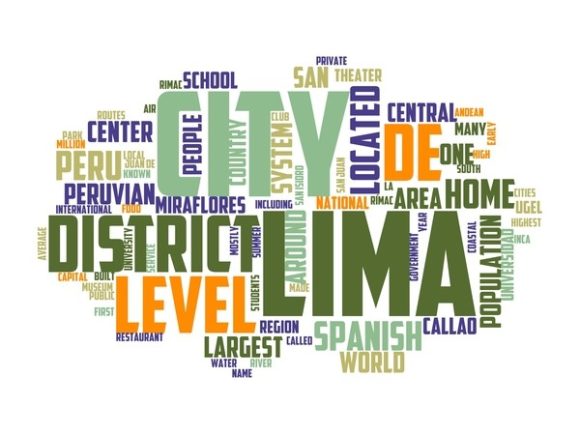
At the intersection of typographic artistry and tactile design lies Lima Peaks Typography Print — a distinctive hand-drawn wordcloud built not just for visual appeal, but for functional versatility. Unlike algorithmically generated word clouds that prioritize frequency over form, this collection is crafted with intention: each word is drawn by hand, arranged organically, and saturated with nuanced color palettes that evoke warmth, energy, and authenticity. Its deliberate imperfection — slight variations in line weight, playful letter spacing, and overlapping glyphs — gives it an approachable, human-made quality that resonates across age groups, cultures, and creative disciplines.
Why Hand-Drawn Typography Matters in Digital-First Design
In an era dominated by scalable vectors and AI-assisted layouts, hand-drawn typography like Lima Peaks Typography Print serves as a quiet counterpoint — one that restores texture, personality, and narrative depth. When applied to physical or print-based products, it introduces a subtle layer of storytelling: a coffee mug adorned with this wordcloud doesn’t just hold liquid; it holds mood, memory, and meaning. Educators use it to soften classroom posters without sacrificing clarity; textile designers integrate its organic flow into fabric repeats for scarves and tote bags; indie publishers embed it into book covers to signal emotional resonance before a single page is turned.
This isn’t ornamentation for ornamentation’s sake. Each curve, tilt, and hue shift was considered for legibility at multiple scales — from 8-point notebook headers to 48-inch wall decals. That balance between expressive freedom and functional coherence is what makes Lima Peaks Typography Print especially valuable for professionals who need aesthetic integrity *and* reproducibility.
From Concept to Craft: Real-World Applications Across Industries
The adaptability of this wordcloud stems from its dual nature: it functions equally well as a standalone graphic element or as a compositional anchor within layered designs. Below are illustrative applications — not hypotheticals, but documented uses observed across studios, classrooms, and small-batch makers:
- Apparel & Accessories: Screen-printed on organic cotton tees, embroidered onto denim jackets, or heat-transferred onto reversible bucket hats — the wordcloud’s irregular contours translate surprisingly well to stitched and printed surfaces. Its non-uniform density prevents “ink bleed” issues common with tightly packed digital fonts.
- Home Décor & Textiles: Applied to ceramic mugs via sublimation, woven into linen pillow covers using jacquard looms, or silkscreened onto cork bulletin boards — its varied stroke weights create natural tonal gradients that mimic artisanal printing techniques.
- Educational Materials: Teachers convert sections of the wordcloud into cut-out vocabulary cards for tactile learning; special education therapists use color-coded word groupings (e.g., blue for emotions, green for actions) to support neurodiverse learners during language development exercises.
- Packaging & Brand Identity: Small-batch skincare brands overlay the wordcloud onto matte-finish kraft boxes, letting select words — like “calm,” “botanical,” or “gentle” — emerge through die-cut windows. The result feels curated, not cluttered.
- Digital Extensions: While rooted in analog sensibility, the vector files scale cleanly for ebook chapter headers, interactive PDF worksheets, or animated social media banners where individual words pulse gently on scroll — preserving hand-drawn charm even in motion.
Design Considerations for Thoughtful Implementation
Despite its flexibility, deploying Lima Peaks Typography Print effectively requires attention to context, audience, and medium. Here’s what seasoned users consistently emphasize:
Color Integration Is Contextual, Not Prescriptive
The wordcloud arrives with a rich, harmonized palette — but those hues aren’t mandates. Designers routinely extract base tones and reinterpret them to match brand guidelines: swapping coral for terracotta in heritage food packaging, muting citrus yellows to ochre for academic conference materials, or desaturating teal accents for healthcare wellness kits. The hand-drawn origin means colors sit comfortably beside both Pantone solids and watercolor washes — a rare trait among typographic assets.
Scale Dictates Readability Strategy
At under 120 pixels wide (e.g., app icons or social avatars), only the most dominant words remain legible — making selective cropping essential. Conversely, at poster scale (36" × 48"), viewers naturally scan top-to-bottom and left-to-right; placing aspirational verbs (“create,” “explore,” “begin”) near the upper third leverages innate visual hierarchy. Printers note that the line-art foundation ensures crisp output even on uncoated paper stocks where ink spread might blur finer digital fonts.
Typography Should Support, Not Compete
Pairing Lima Peaks Typography Print with supporting typefaces demands restraint. Sans-serifs with open apertures (e.g., Poppins, Lato) provide clean contrast without visual tension. Serif companions should avoid high contrast or dramatic stress — consider Merriweather or Cormorant Garamond instead of Didot or Bodoni. Avoid stacking multiple decorative fonts; the wordcloud already carries expressive weight.
Who Benefits Most — And Why
While broadly applicable, certain user profiles derive distinct advantages from this resource:
- Small Business Owners: Those launching product lines without in-house design teams appreciate how Lima Peaks Typography Print delivers premium perception with minimal customization. A single purchase yields assets usable across Shopify banners, Etsy tags, and local farmers’ market signage — all while maintaining cohesive voice.
- Educators & Curriculum Developers: Its thematic openness supports cross-subject integration: science units on ecosystems (“grow,” “cycle,” “balance”), SEL programs (“listen,” “pause,” “connect”), or bilingual literacy tools where Spanish and English words coexist spatially — not hierarchically.
- Makers & Crafters: Because the source files include layered Illustrator paths and transparent PNGs, crafters can isolate individual words for vinyl cutting, laser engraving on wood, or embroidery digitizing — no tracing required. One needlepoint artist reported stitching only the nouns (“sun,” “ocean,” “home”) onto linen tea towels, leaving verbs implied — a subtle narrative device that sparked repeat customer requests.
- UX Writers & Content Strategists: Used in early-stage wireframing, the wordcloud helps visualize content density and emotional tone before copy is finalized. Placing it beside low-fidelity mockups reveals whether interface elements feel supportive or overwhelming — a qualitative check beyond standard readability metrics.
Material Realities: Production Notes You’ll Actually Use
Before committing to large runs, consider these practical observations gathered from print shops, textile mills, and promotional product vendors:
- For DTG (Direct-to-Garment) Printing: Best results occur when the wordcloud is flattened to a single-layer raster at 300 DPI and saved as PNG-24 with transparency. Avoid embedding ICC profiles — they interfere with garment-specific color mapping.
- For Embroidery: Simplify paths first. Convert strokes to outlines, then use Pathfinder > Unite in Illustrator to merge overlapping letters. Aim for stitch counts under 12,000 for 4” × 4” hoops to prevent fabric puckering.
- For Packaging Foil Stamping: Use the black-and-white line version only — foil machines read pure black as stamping areas. Gradients or gray tones will not register.
- For Large-Format Wall Graphics: Vector files scale infinitely, but test print a 12” × 12” section first. Some plotters misinterpret fine interior strokes in complex glyphs (e.g., the loop in “g” or “a”). Adjusting stroke minimums to 0.25 pt resolves 90% of such issues.
Looking Beyond Decoration: Toward Intentional Visual Language
What separates Lima Peaks Typography Print from generic clipart is its grounding in linguistic intentionality. Words weren’t chosen for popularity or SEO volume — they were selected for semantic resonance and emotional utility: “breathe,” “wander,” “anchor,” “kindle.” This makes it unusually effective in therapeutic settings (used in trauma-informed journaling prompts), corporate wellness initiatives (printed on breakroom whiteboards), and community art projects (where participants add handwritten annotations around the periphery).
It also resists trend fatigue. Because it avoids current typographic fads — no exaggerated hairlines, no monospaced rigidity, no forced glitch effects — it remains relevant across seasons and platforms. A poster designed in 2023 retains its sincerity in 2027, not because it’s timeless in a sterile way, but because it’s authentically *of its time*: handmade, inclusive in scope, and generous in spirit.
Ultimately, Lima Peaks Typography Print succeeds where many decorative assets fail: it invites participation rather than passive viewing. Whether you’re screen-printing a limited run of activist zines, designing a museum exhibition guide, or sketching lesson plans on a napkin, it offers not just visual interest — but collaborative possibility.