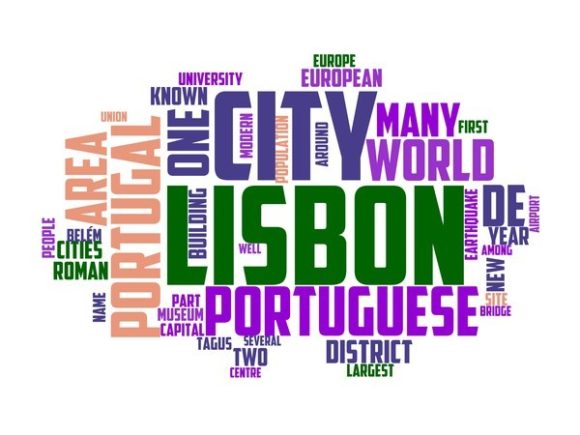
Lisbon Typography Tie Dye: A Strategic Design Asset for Purpose-Driven Creators
Lisbon Typography Tie Dye isn’t just another decorative element—it’s a hand-drawn, colorful wordcloud built with intention. Its organic lines, layered hues, and expressive letterforms carry visual warmth and human authenticity. Unlike algorithmically generated word clouds or sterile vector fonts, this design emerges from deliberate craftsmanship: each word is placed to balance rhythm, contrast, and emotional resonance. That distinction matters—not as aesthetic trivia, but as functional leverage. When you choose Lisbon Typography Tie Dye, you’re selecting a tool that supports clarity of message, consistency of voice, and coherence across touchpoints—provided it’s applied with strategy, not impulse.
Why Context Determines Value—Not Just Visual Appeal
Its versatility is real: you can apply Lisbon Typography Tie Dye to t-shirts, posters, notebooks, mugs, packaging, business cards, e-book covers, textile prints, or even classroom banners. But versatility without direction dilutes impact. Consider this: a wellness coach printing “mindful,” “breathe,” “ground,” and “present” in Lisbon Typography Tie Dye on workshop handouts reinforces core values. The same wordcloud on a law firm’s invoice header? It risks misalignment—softening authority where precision and trust are primary. The design doesn’t carry meaning by itself; it amplifies meaning already present in your goals, audience, and environment.
That’s why thoughtful use starts with asking three questions before application:
- What outcome do I want this piece to support? (e.g., inspire action, signal brand personality, simplify complex ideas, build emotional connection)
- Who needs to understand or respond to it—and how quickly? (e.g., a festival-goer scanning a poster at 3 paces vs. a reader holding a notebook for reflection)
- Where does it live in the user’s journey? (e.g., first impression on a landing page vs. reinforcement inside a printed program)
Answering those shifts Lisbon Typography Tie Dye from decoration to decision-support.
Strategic Use Cases Across Roles and Outcomes
Entrepreneurs launching a lifestyle brand often over-invest in visuals before clarifying positioning. Lisbon Typography Tie Dye becomes valuable here—not as filler, but as a diagnostic aid. Sketching early concepts using its words (“create,” “grow,” “bold,” “kind”) helps surface internal assumptions about brand voice. Does “playful” fit your SaaS onboarding flow? Probably not. But “clear,” “trusted,” “simple”—even rendered in soft tie-dye tones—can guide UI copy and iconography choices later.
Educators use it differently. A middle-school science teacher might integrate Lisbon Typography Tie Dye into a unit on ecosystems, embedding terms like “symbiosis,” “biodiversity,” and “resilience” into a classroom poster. The visual texture holds attention; the curated vocabulary frames thinking. It’s not passive decoration—it’s cognitive scaffolding. Similarly, nonprofit teams designing donor thank-you cards can select words that reflect impact language (“change,” “together,” “lasting”) rather than generic positivity (“amazing,” “awesome”). Precision in word choice multiplies the design’s strategic weight.
For publishers and content creators, Lisbon Typography Tie Dye works well in editorial design—but only when hierarchy is preserved. Placing it as a chapter opener in an e-book on creative productivity makes sense if the surrounding text reinforces those themes. Using it as a full-page background behind dense body copy? It competes for attention and reduces readability. Intentional use means respecting function: let it breathe, anchor, or evoke—not overwhelm or obscure.
When to Pause—And What to Check First
Before applying Lisbon Typography Tie Dye to merchandise, marketing assets, or client deliverables, pause and audit these practical considerations:
- Legibility at scale: Test how words hold up when reduced to 2 inches wide on a sticker or enlarged to 4 feet on a banner. Hand-drawn detail can blur or collapse without smart simplification.
- Color contrast compliance: If used in public-facing materials (especially digital), verify text meets WCAG 2.1 AA contrast ratios—particularly for key messages. Tie-dye gradients may soften edges; adjust background or overlay subtle outlines where needed.
- Brand alignment beyond aesthetics: Does the energy of the wordcloud match your service delivery? A financial advisor using “spontaneous,” “wild,” and “free” may unintentionally undermine perceived stability—even if beautifully rendered.
- Reproduction fidelity: Screen-printed apparel, ceramic mugs, and woven textiles all impose limits. Work with printers early to confirm which colors, line weights, and densities translate reliably.
Skipping this step turns Lisbon Typography Tie Dye into a liability—not because it’s flawed, but because execution disconnected from context rarely serves long-term goals.
Integrating It Into Workflow—Not Just Output
Treat Lisbon Typography Tie Dye as part of your planning toolkit—not just your final asset library. For example:
- Brainstorming sessions: Print a neutral version and annotate around it during team workshops. Circle words that resonate; cross out those that feel off-brand. Let the visual prompt deeper discussion about values and differentiation.
- Client discovery: Share a customized variant (e.g., swapping in industry-specific terms) early in scoping conversations. It signals attentiveness—and surfaces misalignment before designs are locked in.
- Product development: Use subsets of the wordcloud to label mood boards, feature matrices, or user-journey maps. Consistent terminology builds shared understanding across developers, designers, and stakeholders.
This approach transforms Lisbon Typography Tie Dye from a static graphic into a living component of your process—supporting decisions, not just decorating them.
Risks of Random Application
The most common misuse isn’t poor color matching or low-res exports—it’s deploying Lisbon Typography Tie Dye without anchoring it to purpose. You’ll see it: a café slapping “cozy,” “fresh,” and “vibrant” onto takeaway cups without defining what “cozy” means operationally (e.g., slower service pace, warm lighting, ceramic mugs). Or a fitness studio using “strong,” “power,” and “fierce” across Instagram stories while their class descriptions emphasize accessibility and restorative movement. Inconsistency confuses customers and weakens recall.
Worse, overuse erodes distinctiveness. If every small business in your city uses the same hand-drawn wordcloud style—without tailoring word selection, layout, or supporting elements—you blend in, not stand out. Differentiation comes from how you combine Lisbon Typography Tie Dye with your unique voice, service model, and audience insight—not from the design alone.
Long-Term Value Lies in Discipline, Not Decoration
Lisbon Typography Tie Dye endures when treated as a strategic filter—not a shortcut. It earns long-term value when you use it to:
- Clarify internal language before external messaging
- Signal tone and values without relying solely on photography or illustration
- Bridge verbal and visual communication in ways that feel human, not templated
- Support learning and memory through intentional word repetition across formats
That requires restraint. One well-placed application—on a workshop agenda, a keynote slide, or a product tag—often resonates more deeply than ten scattered uses. It also allows room for evolution: revisit your word selections annually. Do “innovate” and “disrupt” still reflect your priorities—or has “sustain,” “deepen,” and “listen” become more relevant?
Ultimately, Lisbon Typography Tie Dye serves best when it reflects considered choices—not trends, not convenience, and not the pressure to “make it look nice.” It’s a reminder that the most effective design doesn’t shout. It aligns. It focuses. And it stays useful long after the first glance.