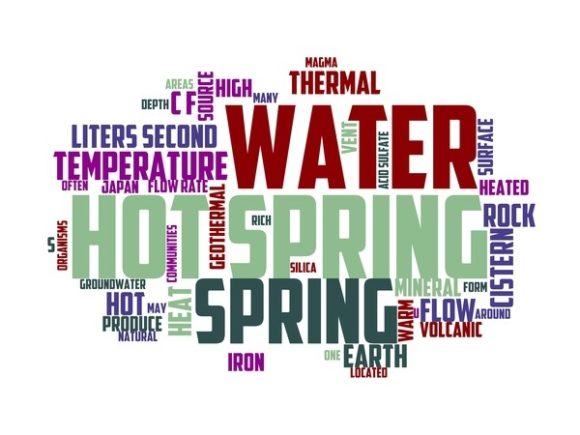
Hot Springs Typography Sublimation: Turn Hand-Drawn Word Clouds into Versatile, Inspirational Designs
Imagine a single design that breathes life into a cotton t-shirt, adds charm to a ceramic mug, anchors a gallery-wall poster, and even elevates the packaging of a small-batch candle brand. That’s the quiet power of Hot Springs Typography Sublimation — especially when paired with a beautifully hand-drawn, colorful word cloud. This isn’t just clipart. It’s a flexible, expressive, and deeply personal design asset built for real-world creativity.
What Makes This Word Cloud Different?
Not all word clouds are created equal. The one you’re likely exploring — crafted with intention and warmth — stands apart because it’s hand-drawn. Every curve, loop, and flourish carries human energy. Letters aren’t rigidly spaced or algorithmically distributed; they flow, overlap, swell, and recede like thoughts taking shape on paper. Colors aren’t flat fills — they’re layered, textured, and thoughtfully balanced: coral beside sage, mustard next to deep indigo, soft peach fading into lavender.
This organic aesthetic is precisely why it works so well with Hot Springs Typography Sublimation. Sublimation printing relies on heat, pressure, and time to embed dye directly into polyester fibers or polymer-coated surfaces. The result? Vibrant, durable, wash-resistant color that feels part of the material — not printed on top. And because this word cloud was designed with rich gradients, subtle outlines, and intentional negative space, it sublimates cleanly without bleeding or pixelation.
Where This Design Truly Shines (Beyond the Obvious)
Yes, it looks stunning on a T-shirt. But its real value lies in how effortlessly it adapts across categories — often in ways designers don’t initially consider:
- Home décor with personality: Printed on linen pillow covers, it adds warmth to a neutral sofa. Applied to ceramic coasters or framed canvas prints, it becomes quiet focal point — not loud, but deeply inviting.
- Tangible branding tools: Business cards printed via sublimation on aluminum or acrylic feel premium and tactile. A matching word cloud motif on a branded notebook or magnet reinforces identity without shouting.
- Event storytelling: Wedding programs, baby shower invitations, or conference banners gain emotional resonance when key themes — “joy,” “together,” “wonder,” “home” — appear in this expressive, hand-crafted form. It signals care, not automation.
- Educational & wellness spaces: Yoga studios use it on wall decals. Therapists print it on affirmation cards. Schools incorporate it into classroom posters about empathy or growth mindset — the visual softness makes heavy concepts feel approachable.
- Mixed-media craft projects: Scrapbookers cut it from printable vinyl. Jewelry makers shrink and enamel tiny versions onto pendants. Textile designers scale sections to create repeating patterns for scarves or tote bags.
Why Sublimation Is the Ideal Match
Sublimation isn’t just another printing method — it’s a workflow multiplier for creators who value quality and consistency. Here’s why Hot Springs Typography Sublimation pairs so naturally with this word cloud:
- No cracking or peeling: Unlike screen-printed or heat-pressed vinyl, sublimated designs become molecularly bonded to the surface. That means your inspirational phrase stays vivid on a gym bag after dozens of washes — or on a stainless steel water bottle exposed to sun and condensation.
- True-to-screen color fidelity: The hand-drawn palette translates faithfully. Sublimation handles subtle transitions and saturated hues better than most digital printing methods — critical when you’ve chosen specific tones for mood or brand alignment.
- Scalability without compromise: Whether you’re printing a 2-inch sticker or a 36-inch banner, the vector-ready source file maintains crisp edges and smooth gradients. No blurry pixels, no reworking needed.
- Low minimums, high customization: You don’t need to order 500 units to get great results. Print one custom mug for a client gift, ten notebooks for a workshop, or fifty fabric panels for a boutique launch — all with identical color and clarity.
Practical Tips for Getting the Most From Your Design
Before you hit “print,” consider these real-world factors that impact outcome and usability:
File Format & Preparation
Always request or verify that your word cloud comes in a layered, vector-based format (like AI or EPS) *and* a high-resolution PNG (300 DPI, transparent background). Vectors ensure infinite scalability for large-format applications like wall decals or signage. PNGs give flexibility for quick mockups, social media assets, or digital products like e-book covers.
Color Mode Matters
For sublimation, work in CMYK — not RGB. While RGB offers broader on-screen vibrancy, CMYK reflects how dyes actually behave on polyester substrates. If your designer delivers RGB, convert carefully using a sublimation-specific ICC profile. Skipping this step can lead to unexpected shifts — like teal turning slightly greenish or warm pinks appearing muted.
Background Strategy
This word cloud shines brightest against light or white surfaces — think white mugs, natural linen, ivory cardstock. On dark substrates, you’ll need a white underbase layer (common in professional sublimation workflows), which adds cost and complexity. Plan accordingly: if your product line includes black apparel or navy notebooks, ask your printer about underbase options upfront.
Typography Legibility at Scale
Because it’s hand-drawn, some words may be intentionally stylized — thinner strokes, tighter spacing, or overlapping letters. Test readability at your smallest intended size. A 12-point word might look poetic on a poster but vanish on a 1.5-inch sticker. Consider creating two versions: one full artistic layout, and a simplified “mini” variant optimized for small accessories or tags.
Who’s Using This Style — and Why It Fits Modern Needs
You’ll find this kind of word cloud resonating strongly with:
- Small-batch apparel brands building community around values (“resilience,” “curiosity,” “belonging”) rather than logos alone;
- Therapists and coaches who want physical tools — magnets, journals, affirmation cards — that reflect compassion and authenticity;
- Local makers and artisans (candle makers, ceramicists, herbalists) seeking cohesive, warm branding that avoids corporate sterility;
- Teachers and homeschoolers designing classroom visuals that feel joyful, inclusive, and emotionally safe;
- Event planners curating memorable, tactile guest experiences — from welcome signs to favor tags — where every detail whispers intention.
What ties them together isn’t just aesthetics — it’s a shared desire for meaningful differentiation. In a world saturated with AI-generated graphics and templated layouts, a hand-drawn word cloud — especially one engineered for Hot Springs Typography Sublimation — says: “This was made with attention. This was chosen with purpose. This belongs here.”
Getting Started Without Overwhelm
You don’t need a full sublimation setup to begin. Many local print shops now offer sublimation services — just bring your file and specify substrate (e.g., “polyester blend t-shirt,” “ceramic mug,” “aluminum business card”). For DIYers, entry-level sublimation printers (like certain Epson models) paired with a heat press open doors to prototyping and small runs.
Start simple: order one custom mug, one notebook, and one set of stickers. Use them yourself. Photograph them in natural light. Notice how the colors hold up, how the texture interacts with the design, how people respond to it physically — not just visually. That hands-on feedback is invaluable before scaling to larger batches or new product types.
And remember — the beauty of this word cloud isn’t in perfection. It’s in its humanity. Slight variations in ink density across a batch? That’s not a flaw — it’s evidence of craftsmanship meeting process. A gentle gradient shift on a curved mug surface? That’s the material breathing with the design. Embrace those subtleties. They’re what make your final product feel alive.