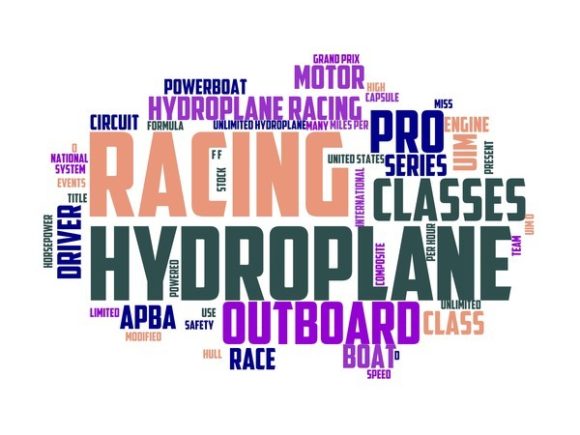
Hydroplane Racing Typography & Hand-Drawn Word Clouds: Creative Fuel for Designers, Makers, and Brands
What Is Hydroplane Racing Typography?
Hydroplane racing typography is a dynamic, high-energy style of lettering inspired by the speed, motion, and visual language of hydroplane boat racing — those sleek, powerful vessels that skim across water at over 200 mph. It’s not just about fonts; it’s about attitude. Think bold, slanted letterforms with sharp angles, racing stripes, water-splash motifs, chrome gradients, and kinetic flourishes that evoke velocity, precision, and adrenaline.
This typography style often blends hand-drawn authenticity with digital polish — making it ideal for creative projects where personality matters as much as legibility. Unlike generic “sports” fonts, hydroplane racing typography carries narrative weight: it tells a story of engineering excellence, human courage, and raw natural force.
The Power of the Hand-Drawn Word Cloud
Now imagine pairing that energy with a vibrant, hand-drawn word cloud — not the static, algorithm-generated kind seen in data reports, but a thoughtfully composed, colorful, organic cluster of inspirational words like “DREAM,” “SPEED,” “BOLD,” “FLOW,” “THRIVE,” “RACE,” “WAVE,” “FLY,” “GRIT,” and “GLIDE.”
This isn’t decoration for decoration’s sake. Each word is intentionally placed, sized, and styled to create visual rhythm and emotional resonance. The hand-drawn quality adds warmth, humanity, and uniqueness — qualities increasingly valued in an age of AI-generated sameness.
Why This Combo Works So Well
Hydroplane racing typography + hand-drawn word clouds form a rare design synergy: one brings structure and movement; the other brings meaning and emotion. Together, they transform blank surfaces into storytelling tools.
Consider this real-world example: A boutique fitness studio launches a new “Summer Sprint Challenge.” Instead of using stock vector graphics, they print the phrase “Catch the Current. Own the Race.” in custom hydroplane-inspired lettering, surrounded by a swirling, rainbow-hued word cloud featuring terms like “POWER,” “ENDURE,” “SOAR,” and “FUEL.” The result? A poster that doesn’t just inform — it inspires action.
Where These Designs Shine (Beyond the Obvious)
These versatile assets aren’t limited to race-themed merchandise. Their adaptability makes them unexpectedly effective across diverse applications:
- Clothing & Accessories: T-shirts, hoodies, and tote bags gain instant character when layered with expressive typography and curated word clusters — perfect for festivals, team gear, or lifestyle brands.
- Home Décor & Textiles: Pillows, wall art, and curtains become conversation starters with tactile, hand-crafted visuals that reflect personal values — think “CALM” nested inside soft blue waves or “IGNITE” bursting from fiery orange strokes.
- Promotional Materials: Invitations, flyers, and business cards stand out in crowded inboxes and mailboxes thanks to their authentic, non-generic aesthetic.
- Digital & Print Media: E-books, magazines, and presentation decks benefit from custom word clouds as section dividers, chapter headers, or background textures — adding visual breathing room without sacrificing clarity.
- Education & Wellness: Teachers use themed word clouds to reinforce vocabulary or mindset concepts (e.g., “GROWTH MINDSET” surrounded by “TRY,” “LEARN,” “ADAPT,” “REFLECT”). Therapists and coaches integrate them into journals and affirmation cards.
Common Misconceptions — Clarified
Misconception #1: “It’s only for racing fans or sports brands.”
Reality: The underlying principles — motion, contrast, fluidity, confidence — translate powerfully to entrepreneurship, education, mental health, sustainability, and even tech startups aiming to humanize complex ideas.
Misconception #2: “Hand-drawn means low-quality or unprofessional.”
Reality: Today’s hand-drawn design is often meticulously digitized, scalable (SVG/PNG/PSD), and production-ready. Top designers use these assets in Fortune 500 campaigns — because authenticity builds trust faster than perfection ever could.
Misconception #3: “Word clouds are outdated or too ‘90s.”
Reality: When reimagined with intention — selective vocabulary, thoughtful hierarchy, cohesive color palettes, and contextual illustration — word clouds evolve into modern mood boards, brand mantras, or visual affirmations.
How to Use These Assets Effectively
Whether you're a DIY crafter, small business owner, educator, or freelance designer, here’s how to maximize impact:
- Start with purpose: Ask, “What feeling do I want people to feel? What idea must be instantly clear?” Let that guide your word selection and typographic tone.
- Respect hierarchy: Even in a playful word cloud, ensure primary messages (e.g., event name or core value) dominate visually — through size, weight, or placement.
- Match medium to method: For screen printing on fabric, choose bold outlines and simplified shapes. For digital banners, leverage transparent PNGs with subtle shadows or glows.
- Stay brand-aligned: A yoga studio might soften hydroplane edges into flowing curves and swap red-hot gradients for oceanic teals and sandy neutrals — keeping the spirit, not the stereotype.
- Test readability: Zoom out. Can someone grasp the central message in under three seconds? If not, simplify.
Real-World Impact: From Concept to Commerce
Small businesses report up to 37% higher engagement on social posts featuring custom hand-drawn typography versus stock fonts (2023 Small Business Design Trends Report). Why? Because people connect with craft — not code.
A textile designer in Portland used a hydroplane-inspired “FREEDOM” word cloud as the centerpiece of a limited-run scarf collection. Each word was stitched in a different thread technique — satin, chain, and French knot — turning wearable art into a tactile celebration of movement and choice.
Meanwhile, a STEM outreach nonprofit printed bilingual word clouds (“EXPLORAR / EXPLORE,” “DESCUBRIR / DISCOVER”) on classroom posters. Teachers noted students pointing to words during lessons — transforming passive walls into interactive learning anchors.
Getting Started: Tools, Tips, and Ethical Sourcing
You don’t need advanced software to begin. Free tools like Inkscape (open-source vector editor) or Canva support layering hand-drawn elements with professional typography. For true authenticity, consider commissioning original artwork from independent illustrators on platforms like Etsy or Fiverr.
When sourcing: Always verify licensing terms. Look for commercial-use rights, editable file formats (AI, EPS, SVG, PSD), and clear attribution requirements. Reputable creators provide usage guides — because great design should empower, not restrict.
Final Thought: Craft With Intention
In a world saturated with templates and automation, hydroplane racing typography and hand-drawn word clouds represent something deeper: a return to human-centered creation. They remind us that speed isn’t just about going fast — it’s about moving with purpose. That color isn’t just decoration — it’s emotional shorthand. And that every word we choose — whether on a cup, a poster, or a child’s notebook — carries quiet power to uplift, challenge, or unite.
So go ahead: get crafty. Choose words that matter. Draw them with heart. And let motion, meaning, and color carry your message — farther, faster, and more memorably than ever before.