Interior Designer Typography Background
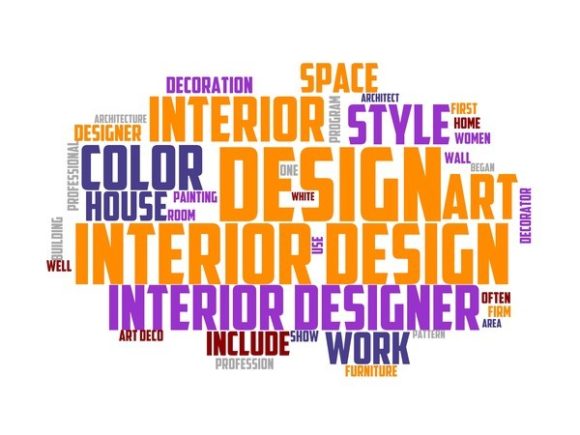
If you’ve ever scrolled through design marketplaces or browsed craft supply shops, you’ve likely seen it: a vibrant, hand-drawn wordcloud—full of expressive fonts, soft watercolor textures, and playful color gradients—labeled something like “interior designer typography background.” It’s not just decoration. It’s a versatile visual tool built for people who make things: whether that’s a handmade ceramic mug, a boutique wedding invitation suite, or a teacher’s classroom poster about mindfulness and space.
This isn’t clipart from 2003. A well-crafted Interior Designer Typography Background blends intentional typographic hierarchy with organic, human-made charm—think brush-lettered words like “serene,” “balance,” “texture,” “light,” and “flow” arranged in layered, overlapping clusters. The colors are warm but grounded: sage greens, terracotta tones, dusty blues, and creamy neutrals—not neon or oversaturated. The background is often subtle: a faint linen texture, soft grain, or barely-there watercolor bleed—so it supports the words, never competes.
Where It Fits Into Real Creative Work
You don’t need to be a professional graphic designer to use this resource—but you *do* need a moment where words matter as much as visuals. That’s where the Interior Designer Typography Background shines: when language and atmosphere must coexist on the same surface.
Imagine a small-batch candle maker launching a new scent called “Sunroom.” Instead of typing “Sunroom” in Helvetica on a plain white label, they drop that phrase onto a hand-drawn wordcloud background filled with related terms—“lemon verbena,” “morning light,” “wicker,” “stillness.” Instantly, the label tells a richer story. Customers don’t just see a product—they feel its context.
Or picture a freelance interior stylist preparing a mood board for a client meeting. Rather than pasting in generic stock photos, they layer an Interior Designer Typography Background behind real material swatches—a velvet pillow sample, a tile chip, a wood grain print. The words (“curved,” “layered,” “calm,” “warmth”) become part of the narrative—not decorative filler, but quiet reinforcement of the aesthetic direction.
More Than Just Pretty Words: Practical Use Cases
Here’s how real people actually use this kind of background—beyond the obvious:
- Teachers and educators print it on cardstock, cut out individual words, and use them in tactile vocabulary walls or sensory bins—especially helpful for students learning spatial or emotional language (“open,” “cozy,” “airy,” “grounded”).
- Wedding planners adapt it into digital RSVP cards or printable ceremony programs—swapping in custom phrases like “gather,” “vow,” “home,” and “together”—then overlaying couple names in clean sans-serif for contrast.
- Textile designers scale and repeat sections of the wordcloud across fabric mockups, testing how legibility holds up at different sizes—discovering that smaller repeats work best for pillowcases, while larger clusters pop on duvet covers.
- Small press publishers use it as a base layer for poetry chapbook covers, letting the handwritten energy echo the voice of the poet—then adjusting opacity so the text remains readable against the busy background.
- Home organizers turn it into laminated checklist cards—“declutter,” “edit,” “contain,” “breathe”—and hang them in client pantries or closets as gentle, non-shaming prompts.
Why It Works Where Other Fonts Fall Short
Standard fonts—even beautiful ones—often lack environmental resonance. You can set “tranquil” in Garamond, but it won’t *feel* tranquil unless everything else around it supports that idea: spacing, color, texture, weight. An Interior Designer Typography Background packages all those cues together. It’s pre-balanced. You’re not starting from zero—you’re starting from intention.
That matters when time is tight. A blogger designing a Pinterest pin about “creating calm corners” doesn’t have 45 minutes to build a custom composition from scratch. They open their design app, drag in the background, add one headline in a simple font, adjust contrast—and publish. The emotional tone is already embedded in the asset.
What to Check Before You Use or Buy One
Not all wordcloud backgrounds deliver the same value. Here’s what makes the difference in practice:
- File format & scalability: Look for vector (SVG or EPS) or high-res PNG (300 DPI, minimum 4000px wide). If you plan to print on fabric or large posters, raster-only files will blur or pixelate.
- Layer separation: The best versions come with editable layers—words grouped by color or theme, background texture on its own layer, optional outlines or shadows. That lets you mute “clutter” or highlight “space” without redrawing anything.
- Licensing clarity: Does the license cover physical products you’ll sell (like mugs or tote bags)? What about digital use in client work? Avoid assets labeled “personal use only” if you’re a freelancer or small business owner.
- Color flexibility: Can you easily recolor words in your editing software? Some are flattened; others preserve individual letter paths—giving you full control over hue, saturation, and brightness per word.
One Last Real-World Note
This background doesn’t replace thoughtful design—it accelerates it. A DIYer making birthday banners for their kid’s “rainbow jungle” party might spend 20 minutes arranging clipart animals and fonts, then realize the vibe feels off. Swapping in an Interior Designer Typography Background with words like “lush,” “vine,” “dappled,” and “nest” shifts the entire mood—not because it’s prettier, but because it carries built-in associative logic. It reminds you what the space *means*, not just what it looks like.
So whether you're sketching ideas on a napkin, building a Shopify product page, drafting a workshop handout, or stitching embroidery floss onto denim, remember: typography isn’t just about letters. It’s about atmosphere made visible. And when that atmosphere is hand-drawn, thoughtfully curated, and ready to adapt—it becomes one of your most quietly powerful tools.