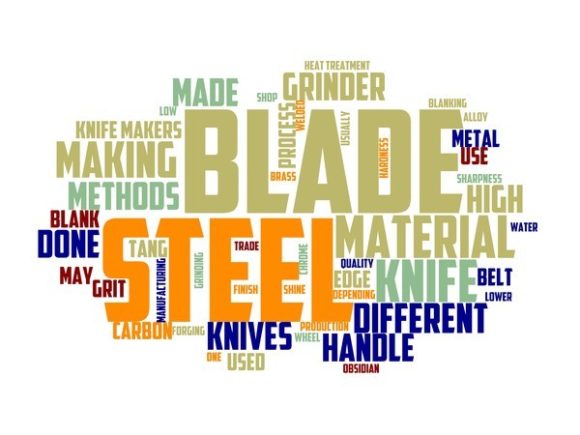
Knife Making Typography Background
A Versatile Design Resource Rooted in Craft and Creativity
The Knife Making Typography Background is more than a decorative pattern—it’s a visual celebration of craftsmanship, precision, and artisanal spirit. At its core, it blends hand-drawn lettering with thematic motifs inspired by bladesmithing: subtle etchings of forged steel textures, faint outlines of tangs and bolsters, rhythmic line work evoking grind lines and file marks, and organic flourishes reminiscent of heat-treated patinas. Unlike generic industrial fonts or sterile vector graphics, this background carries warmth, intention, and tactile authenticity—making it ideal for creators who value storytelling through design.
What Makes This Background Stand Out?
Its defining strength lies in intentional duality: it functions equally well as a subtle backdrop *and* a focal point. The typography isn’t just decorative text—it’s composed of meaningful words like “forge,” “temper,” “grind,” “tang,” “edge,” “balance,” and “patina,” arranged in a flowing, non-linear composition. These words aren’t random; they reflect real stages and values in knife making, lending depth and resonance to any project that uses them.
Visually, the Knife Making Typography Background features:
- Hand-drawn aesthetic—no rigid vectors or AI-generated uniformity; each curve and stroke feels human-made;
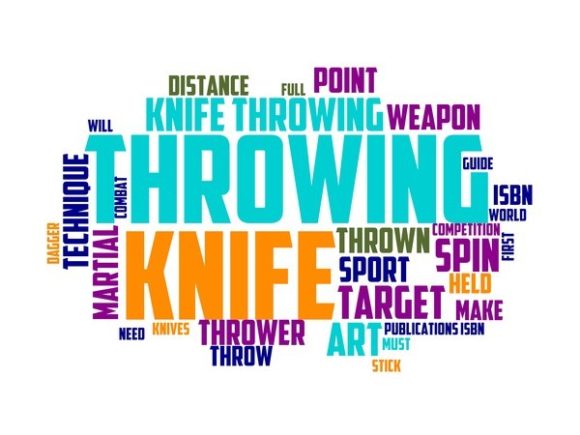
- Color-rich wordcloud layout—vibrant yet harmonious hues (deep forge blacks, molten oranges, oxide blues, and weathered umbers) that evoke workshop environments without overwhelming;
- High-resolution scalability—designed for both digital use and print at 300 DPI, ensuring crisp detail on everything from business cards to wall-sized posters;
- Layer-friendly structure—clean separation between text elements and background texture allows easy recoloring or selective editing in design software.
Who Benefits Most From This Design Asset?
While rooted in blade culture, the Knife Making Typography Background speaks broadly to makers, educators, entrepreneurs, and designers who prioritize authenticity and narrative.
Artisans and small-batch makers use it to reinforce brand identity—imagine it printed on cotton aprons for a blacksmithing workshop, or embossed onto leather tags for custom knife sheaths. It signals expertise without saying a word.
Educators and trade schools incorporate it into course materials, certificates, or classroom posters—transforming technical content into something visually anchored in tradition and pride.
Graphic designers and marketers reach for it when developing campaigns for outdoor gear, heritage brands, craft fairs, or maker festivals. Its versatility shines in promotional banners, social media assets, and limited-edition packaging—especially where “handmade” and “purpose-built” are key selling points.
DIY enthusiasts and crafters apply it to fabric transfers for tote bags, sublimation prints for ceramic mugs, or vinyl-cut decals for toolboxes and workshop walls. Because it’s designed with textile and surface adaptability in mind, it holds up beautifully across mediums.
Real-World Applications You Can Start Today
Here’s how users are putting the Knife Making Typography Background to practical use—no niche too specific, no scale too small:
- Clothing & Accessories: Screen-printed on unisex tees for a knife-making expo; heat-transferred onto denim jackets for a maker collective’s team wear.
- Home & Workshop Décor: Framed as a 24"x36" poster above a grinding station; scaled down and laser-etched onto walnut coasters alongside engraved shop logos.
- Promotional Materials: Used as a textured layer beneath event dates on festival flyers; integrated into QR-code–enabled postcards linking to video tutorials on blade geometry.
- Product Packaging: Printed on kraft paper boxes for handmade kitchen knives; reversed out in white foil on matte black sleeves for pocketknife gift sets.
- Digital Use: Animated subtly as a loading screen for a knife customization app; adapted into a repeating tile pattern for email newsletter headers.
Practical Considerations Before You Use It
Like any powerful design element, the Knife Making Typography Background delivers best when matched thoughtfully to your goals. Here’s what to keep in mind:
- Readability matters: When overlaying body text, use ample contrast or apply a light tinted overlay (e.g., 15% white fill) to ensure legibility—especially for invitations or instructional printables.
- Scale with purpose: At very small sizes (e.g., 1" square stickers), individual words may blur together. For micro-applications, consider isolating one strong term—like “EDGE” or “FORGE”—as a standalone icon instead.
- Cultural sensitivity: While inspired by global forging traditions—from Japanese katana smithing to Damascus steel heritage—avoid using the background in ways that appropriate sacred symbols or misrepresent cultural techniques without context or respect.
- Licensing clarity: Always verify usage rights. Most versions allow commercial use across physical and digital products, but restrictions may apply for resale as standalone clipart or inclusion in template marketplaces without modification.
How to Evaluate If It Fits Your Project
Ask yourself three questions before downloading or purchasing:
- Does it support—not distract from—my message? If you’re promoting a beginner’s knife-making class, does the background evoke approachability and learning—or only elite craftsmanship? Adjust color intensity or opacity to match your tone.
- Will it hold up across my intended formats? Test a mockup on your final medium: Does it retain texture on dark fabric? Does fine line work stay crisp when printed on recycled paper? Sample files help here.
- Can I make it uniquely mine? The best design assets invite personalization. Try swapping one or two words (“grind” → “sharpen”), adjusting saturation for seasonal branding (cool tones for winter catalogs, warm for summer workshops), or pairing it with complementary hand-drawn icons you’ve created.
More Than a Background—A Design Philosophy
Ultimately, the Knife Making Typography Background reflects a broader shift in creative work: away from disposable visuals and toward layered, meaningful assets. It doesn’t shout—it invites closer looking. It doesn’t simplify craft into clichés—it honors its complexity through thoughtful detail. That’s why it resonates not just with bladesmiths, but with anyone who believes tools, words, and textures all tell stories worth preserving.
Whether you're designing a sticker for your first craft fair booth, building a brand identity for a family-run cutlery shop, or illustrating a chapter on metallurgy for a self-published guide—you’re not just selecting a background. You’re choosing a visual language grounded in patience, process, and pride.
So go ahead—get crafty. Print it. Stitch it. Etch it. Annotate it. Let the Knife Making Typography Background be the quiet foundation that makes your next project feel unmistakably, authentically yours.