Kajukenbo Typography Crafting
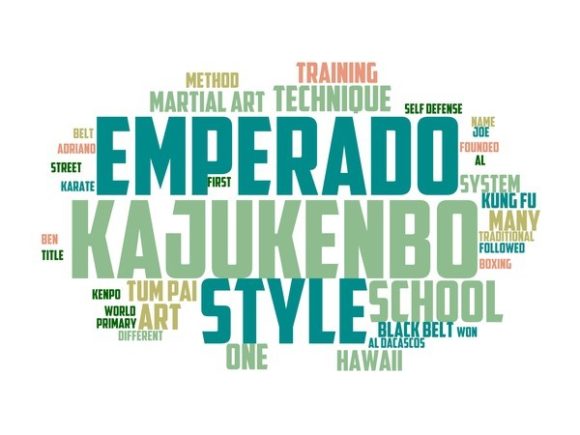
Kajukenbo Typography Crafting is not a trend—it’s a deliberate fusion of martial discipline, typographic precision, and expressive visual language. Rooted in the philosophy of Kajukenbo (a hybrid martial art emphasizing adaptability, integration, and purposeful action), this approach treats letterforms as dynamic, intentional elements—not just decorative flourishes. It prioritizes clarity, rhythm, and resonance over ornamentation alone. When applied to hand-drawn, colorful wordclouds—especially those designed for physical and digital product use—it becomes a strategic tool for communication, branding, and emotional engagement.
Why Strategic Intention Matters More Than Aesthetic Appeal
A beautiful wordcloud catches the eye—but a well-crafted Kajukenbo Typography Crafting wordcloud serves a function. Consider how entrepreneurs choose typography for packaging: legibility, tone alignment, and cultural resonance affect purchase decisions more than novelty alone. The same applies here. Each curve, weight shift, or color transition in a Kajukenbo Typography Crafting wordcloud carries semantic weight. For example, bold, grounded lettering might anchor core values like “Resilience” or “Clarity,” while lighter, looping forms could cradle aspirational terms like “Growth” or “Joy.” This isn’t arbitrary design—it’s visual hierarchy guided by intent.
When used without strategy, even the most vibrant Kajukenbo Typography Crafting wordcloud risks diluting messaging. A poster for a mindfulness retreat loses impact if “Calm” drowns in visual noise beside ten equally dominant words. But when crafted with restraint—choosing three to five high-impact terms, varying scale and saturation to reflect priority—the wordcloud becomes a silent facilitator of understanding. That’s where long-term value begins: not in decoration, but in decision-aligned communication.
Where Kajukenbo Typography Crafting Delivers Measurable Value
This method shines where context and consistency intersect. Think beyond “cute” and toward utility:
- Brand Identity Systems: Small businesses building cohesive visual language can embed Kajukenbo Typography Crafting wordclouds into business cards, tags, and packaging—reinforcing mission-driven language without repeating slogans. A sustainable apparel brand might integrate “Rooted,” “Renew,” and “Wear Well” into textile prints, making values tactile and repeatable.
- Educational & Workshop Materials: Educators and trainers use these wordclouds in handouts, slide headers, or classroom posters to emphasize conceptual anchors. Because the typography itself embodies balance and integration (core Kajukenbo principles), it subtly reinforces pedagogical themes—like systems thinking or adaptive learning—without explicit explanation.
- Promotional Campaigns: Unlike static stock graphics, Kajukenbo Typography Crafting wordclouds are built for adaptation. A single base design can be recolored for seasonal campaigns (warm tones for summer launches, deep indigo and gold for year-end reflection), resized for Instagram Stories versus trade show banners, or layered with minimal line art for sticker sheets—all while preserving structural integrity and readability.
- Customer Experience Touchpoints: From thank-you cards embedded in e-commerce shipments to embroidered wordclouds on tote bags given at conferences, these elements extend brand voice into physical space. They work because they feel handmade—not mass-produced—and yet remain scalable due to their disciplined structure.
How to Approach Kajukenbo Typography Crafting With Discipline, Not Just Decor
Start with outcome, not output. Ask: What do I want someone to feel, remember, or do after encountering this? If the answer is vague (“look nice” or “feel inspired”), pause. Refine it: “Help workshop attendees recall the three pillars of collaborative leadership” or “Signal our studio’s commitment to inclusive design before the first line of copy appears.” Clarity here determines everything—from word selection to spatial arrangement.
Next, consider hierarchy and contrast. In Kajukenbo Typography Crafting, size isn’t just about emphasis—it’s about visual gravity. Larger words draw attention first; smaller ones support or qualify. Color functions similarly: saturated hues advance, muted tones recede. But unlike algorithmic wordclouds, this system avoids randomness. Every choice reflects intention. For instance, placing “Trust” centrally in deep navy while rendering “Listen” in soft charcoal beside it implies that trust emerges from attentive action—not abstract idealism.
Also consider material constraints early. A wordcloud intended for screen printing on cotton requires bolder strokes and wider spacing than one meant for fine-line embroidery on silk. Likewise, a design scaled down for a business card must retain legibility at 12mm height—meaning fewer overlapping elements and tighter kerning control. These aren’t afterthoughts; they’re part of the craft.
Risks of Using Kajukenbo Typography Crafting Without Context
Without clear goals, Kajukenbo Typography Crafting can backfire. Overly dense arrangements confuse rather than clarify—especially for neurodiverse audiences or viewers scanning quickly. Excessive color variation may undermine accessibility (e.g., low contrast between adjacent terms). And when applied to formal contexts—like legal disclaimers on packaging or academic program brochures—playful letterforms can unintentionally signal informality or lack of rigor.
Another subtle risk: misalignment with audience expectations. A fintech startup using whimsical, swirling Kajukenbo Typography Crafting for its security whitepaper may inadvertently erode credibility. The same style, however, resonates powerfully in a wellness app’s onboarding flow—where warmth and approachability support user comfort. Context isn’t decorative; it’s diagnostic.
Practical Planning Tips for Real-World Use
Before commissioning or creating a Kajukenbo Typography Crafting wordcloud, run through this short checklist:
- Define primary and secondary objectives. Is this primarily for brand reinforcement? Educational scaffolding? Emotional resonance? Prioritize one.
- Select words with semantic precision. Avoid filler terms (“awesome,” “amazing”) in favor of concrete, actionable, or evocative language (“Anchor,” “Navigate,” “Begin Again”).
- Test at multiple scales. Print a 2-inch version and view it from 3 feet away. Does the core message survive?
- Validate color contrast. Use free tools like WebAIM’s Contrast Checker—even for print. Ensure text remains legible against background textures or fabric weaves.
- Map usage across touchpoints. Will this appear on matte paper, glossy mugs, woven labels, or digital ads? Note minimum stroke width and spacing requirements for each.
Remember: Kajukenbo Typography Crafting gains strength through repetition—not repetition of the same image, but repetition of principle. Once you establish a consistent typographic voice (e.g., sharp angles for decisive terms, rounded terminals for inclusive ones), your audience begins recognizing meaning in form—not just content. That’s when recognition becomes resonance.
Long-Term Positioning Through Consistent Craft
Brands that treat Kajukenbo Typography Crafting as infrastructure—not decoration—build equity over time. Consider how Patagonia’s typography evolved: not flashier, but more resolved, more aligned with its environmental ethos. A small publisher using Kajukenbo Typography Crafting wordclouds across book covers, event banners, and newsletter headers signals coherence—not sameness. Readers begin associating that rhythmic balance and intentional color logic with reliability and depth.
For freelancers and creatives, this discipline also builds portfolio distinction. Clients don’t hire for “pretty fonts”—they hire for problem-solving fluency. Demonstrating how a Kajukenbo Typography Crafting wordcloud improved attendee retention at a conference (by visually anchoring key takeaways) or increased social shares for an e-book launch (by transforming abstract concepts into shareable, tactile visuals) proves strategic value—not just aesthetic skill.
Ultimately, Kajukenbo Typography Crafting invites us to slow down—to choose words carefully, place them deliberately, and let form serve function. It rewards patience, observation, and alignment. When used with clarity and care, it doesn’t just fill space. It holds meaning.